

Neuropharmacology
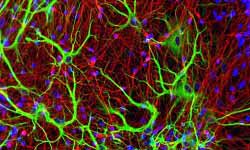
Neuropharmacology is the study of the effects of drugs on the nervous system, with the goal of developing compounds that offer therapeutic benefit in humans with psychiatric and neurological disease. We believe that an understanding of a drug’s action requires an integrated knowledge of the cellular and molecular mechanisms by which the drug exerts its effects upon brain circuitry and ultimately human behaviour.
- Neurochemical Interactions
- Molecular Neuropharmacology
- Behavioural Neuropharmacology
- Neurotransmitters
Related Conference of Neuropharmacology
Neuropharmacology Conference Speakers
Recommended Sessions
- Advances In Pharmacology
- Analytic Toxicology
- Applied Pharmacology
- Cardiovascular Pharmacology
- Clinical Pharmacology
- Clinical Toxicology
- Computational Toxicology
- Drug Safety
- Environmental Toxicology
- Enzyme Inhibitors
- Experimental Pharmacology
- Food and Nutritional Toxicology
- Forensic Toxicology
- Immunopharmacology
- Mass Spectrometry
- Medical Toxicology
- Molecular Pharmacology
- Neuropharmacology
- Pediatrics Pharmacology
- Pharmacogenetics
- Toxicogenomics
- Toxicology And Risk Assessment